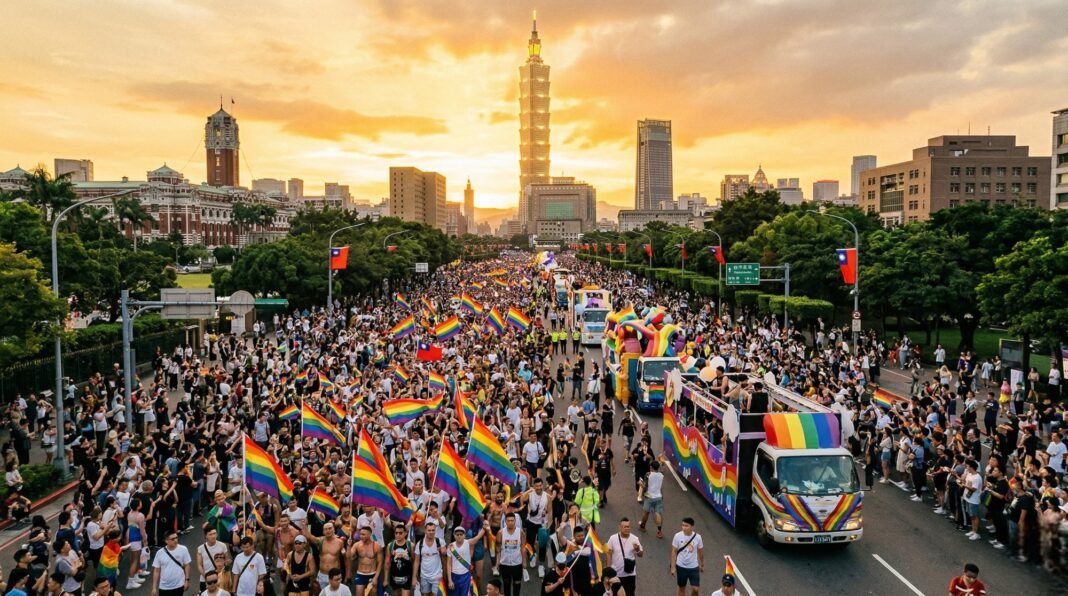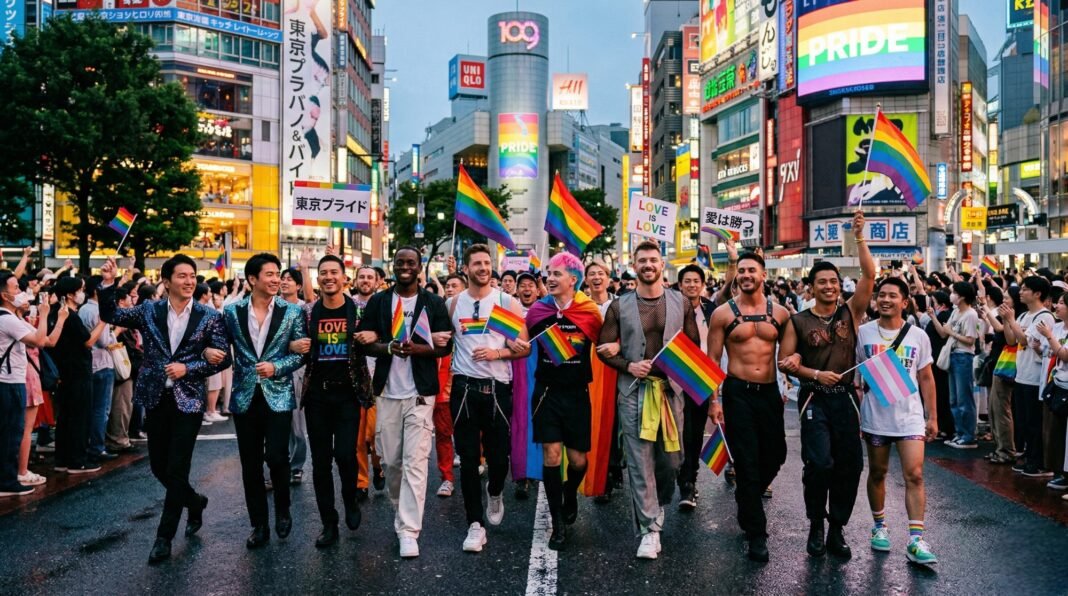
In 1994, around 1,100 people shuffled through the streets of Shinjuku for Japan’s first pride march. Last year, that number had grown to over 270,000. Whatever Tokyo is doing, it’s working.
From Rainbow Pride to a Full Month of Visibility
In 2025, the event was renamed Tokyo Pride and moved its former April celebrations to June, joining the rest of the world in celebrating Pride Month. It was a smart, symbolically loaded move. Aligning with the global calendar means Tokyo is no longer doing Pride on its own schedule, slightly removed from the conversation — it’s now planted squarely in the middle of it.
The Pride Festival is scheduled for Saturday and Sunday, June 6 and 7, 2026, at Yoyogi Park, with the Pride Parade marching through the Shibuya-Harajuku area on Sunday, June 7. The parade and festival remain the emotional core of the weekend, but Tokyo Pride 2026 is keeping all the upgrades from last year’s facelift. Attendees can expect a wide range of events spanning community, culture, and conversation — among them Youth Pride, a Queer Art Exhibition, and a Human Rights Conference where the future of LGBTQ+ rights in Japan takes center stage.
Organised by the TRP Youth Project team, Youth Pride is a weekend-long event at WITH HARAJUKU HALL focused on LGBTQ+ youth and young adults. Interactive booths, talks, and entertainment channel the themes of “learn, work, play, and live.” For a country still figuring out how to legislate equality, starting with the next generation feels exactly right.
Why This Moment Hits Different
Tokyo Pride has always been more than a party, but 2026 arrives at a genuinely charged moment. Five Japanese high courts — in Sapporo, Tokyo, Fukuoka, Nagoya, and Osaka — ruled between March 2024 and March 2025 that the country’s ban on same-sex marriage is unconstitutional. The Japanese Supreme Court has since said it will consider six marriage equality lawsuits, with a ruling expected in early 2027.
The political picture, however, is complicated. Sanae Takaichi, Prime Minister of Japan since October 2025, opposes same-sex marriage. During a government budget committee meeting in 2023, she called legalizing same-sex marriage an “extremely difficult issue,” though added that “there should be no prejudice against sexual orientation and gender identity.” In a campaign debate in September 2025, she told the audience she opposed same-sex marriage, adding that having a same-sex partner was “fine.”
That is the friction Tokyo Pride exists within. Japan remains the only G7 country without legal recognition for same-sex couples. And yet the pride movement keeps growing, keeps demanding, and keeps showing up in the streets of Shibuya with rainbow flags above some of the most photographed real estate on the planet. Through its programming, Tokyo Pride works to increase LGBTQ+ visibility, elevate community rights, and push society forward — one marching block at a time.
The Scene
If the parade is the headline act, Yoyogi Park is the main stage. The two-day Pride Festival at Yoyogi Park’s Event Square draws LGBTQ+ organisations, businesses, and supporters from Japan and abroad, hosting booths that create space for community, conversation, and connection. Drag queens, dancers, and performers bring heat to the march, while thousands of spectators line the streets. Concerts, speeches, art exhibitions, film screenings, and debates on LGBTQ+ rights fill out a cultural program that goes well beyond the parade itself.
Then, when the sun goes down, the action moves to Shinjuku Ni-chome. Tokyo’s hub of gay subculture, Ni-chome holds the world’s highest concentration of gay bars packed into an area that spans just 300 metres in each direction. During Pride week, those already lively crowds become something else entirely. Pride Night runs from around 18:00 to 24:00 — a ticketed event packed with performances, DJs, and queer nightlife energy. AiSOTOPE Lounge, Tokyo’s largest gay dance club, and Arty Farty, a Ni-chome staple with an expansive dance floor and bar area, are the places to be once the parade floats have parked up.
Plan Your Trip
Aside from Pride Night, all events are free to attend — an unusually generous deal for one of Asia’s biggest events. Your main expenses are flights, a hotel, and however many rounds you intend to buy at Ni-chome. Do note that the Pride Parade requires advance registration if you want to march, not just watch.
Book accommodation early. Stay near Shinjuku or Shibuya for easy access to the parade, Pride Village, and nightlife. Both neighbourhoods sit at the heart of the action, and the best rooms go fast once dates are confirmed.
Tokyo is generally very safe for LGBTQ+ visitors. Ni-chome feels welcoming and visible. Outside nightlife areas, queer life is quieter — you’re more likely to encounter an awkward glance than any aggression. Tokyo rewards the traveller who understands its particular rhythm of visibility and discretion. Lean into both.
Frequently Asked Questions
When is Tokyo Pride 2026 and where does it take place?
The Pride Festival runs Saturday and Sunday, June 6 and 7, 2026, at Yoyogi Park. The Pride Parade marches through the Shibuya-Harajuku area on Sunday, June 7.
Is Tokyo Pride free to attend?
Largely, yes. The parade and Pride Village in Yoyogi Park are free, with optional ticketed afterparties if you want to keep the night going.
Where should I stay for Tokyo Pride 2026?
Shinjuku Ni-chome is the go-to for anyone who wants to be close to the action and the nightlife. The area is well connected, with three metro stations nearby — including Shinjuku Station, the world’s busiest railway station.
Tokyo Pride 2026 is shaping up to be its most expansive edition yet — a full month of parades, art, activism, nightlife, and hard conversations happening at one of the most pivotal moments in Japan’s LGBTQ+ history. Whether you’re marching down Harajuku in your finest or sipping something cold in Ni-chome at midnight, this is the kind of trip that stays with you. For more on the world’s best queer destinations, parties, and culture, keep following Facetheboys.