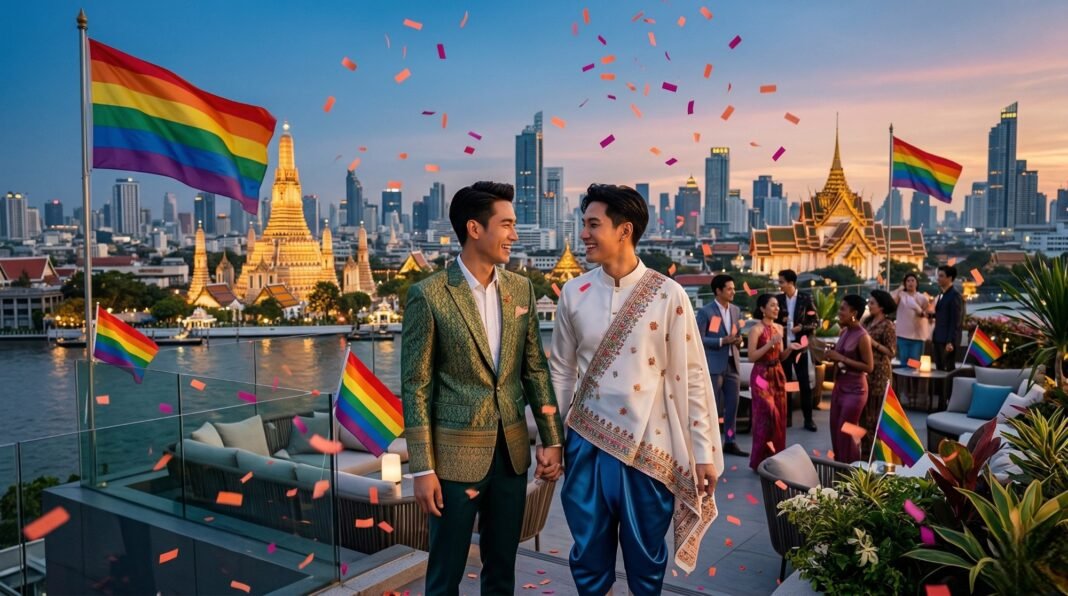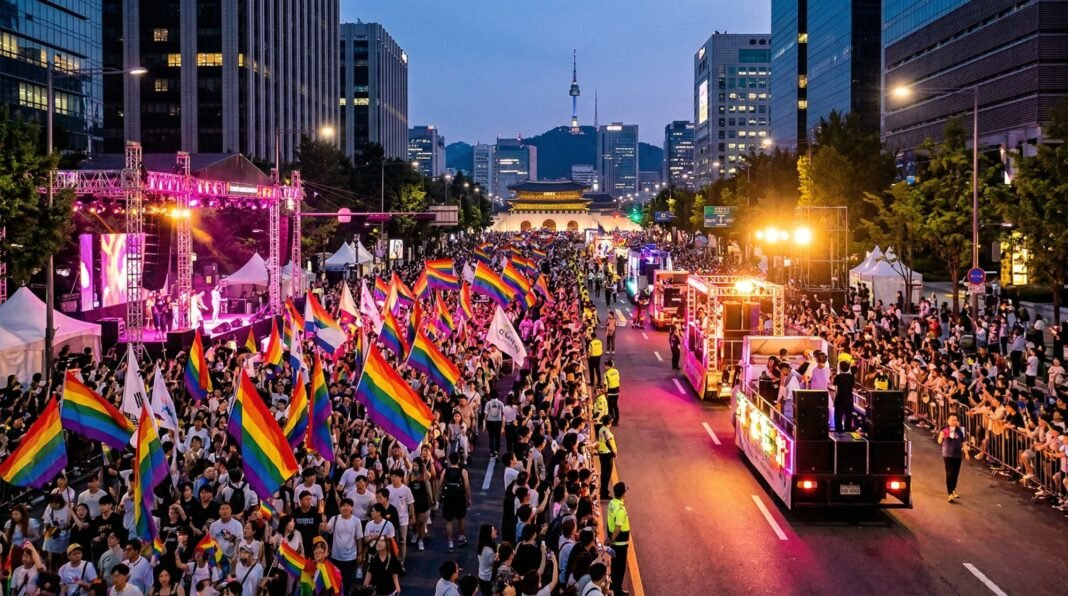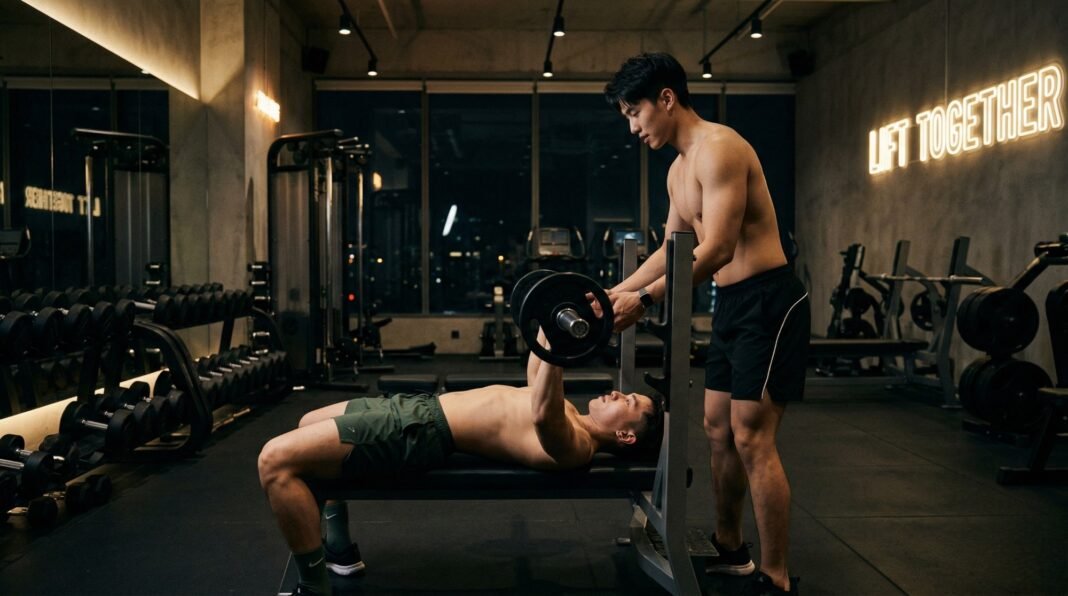
The gym as we know it — the culture, the community, the obsession — was built in no small part by gay men, and it’s about time that history got its credit. Gay liberation and the fitness craze didn’t just coexist in the 1970s; they fed each other, shaped each other, grew up together. Half a century later, that relationship hasn’t just survived — it’s leveled up. In 2026, gay men aren’t quietly tolerating the gym. They’re reshaping it, owning it, and building communities inside it that the industry is scrambling to keep up with. If you’ve been waiting for a sign to finally walk through those doors, this is it.
A History That Never Left the Weight Room
The story of gay men and the gym is longer than most people realize, and it goes well beyond aesthetics. The 1970s marked a transformative era — for gay liberation and gym culture both — and the two became deeply intertwined almost immediately. Gyms weren’t just places to exercise; they were vibrant social hubs where gay men could connect with friends, lovers, and community members in an era that offered precious few such spaces. One pivotal figure was John Blair, a Los Angeles party promoter who opened the Body Center in the early 1970s, often regarded as the first gay gym. Nautilus machines, a lively atmosphere, a fashion-forward aesthetic — the place was essentially a nightclub that happened to have a weight room, and it was exactly what people needed.
The momentum never stopped. In the 1980s and ’90s, the HIV/AIDS crisis intensified the pursuit of health and fitness in ways that went far beyond vanity. “What’s your sign?” gave way to “Where do you work out?” The gym became a place of reclamation, resilience, and community survival — and that emotional weight is still baked into how many gay men approach training today. As one queer gym-goer put it: “It is empowering to take up space in a hypermasculine arena like a gym. As a young gay man, I imagined it was something I wasn’t allowed to partake in. It wasn’t for people like me. Now being able to feel strong and confident, even just by lifting weights, is liberating.”
Why the Gym Hits Different for LGBTQ+ Guys in 2026
Here’s the reality that makes the gym more than a hobby for a lot of people in this community. Members of the LGBTQ+ community are more than twice as likely as heterosexual people to experience a mental health condition in their lifetime, according to the American Psychiatric Association. That’s not a footnote — it’s the context behind why so many gay men treat their training as non-negotiable. Regular physical activity reduces symptoms of anxiety and depression, improves sleep, and builds resilience against stress. The science has caught up to what the community already knew from lived experience.
One national survey found that 78 percent of exercisers cite mental or emotional well-being as their top reason for working out — ahead of physical fitness or appearance goals. For gay men navigating a still-complicated world, that stat lands differently. The gym is no longer just about the mirror. Regular training builds mental resilience and self-confidence, helps people feel more connected to their authentic selves, and enables them to align who they are with how they move through the world. No supplement stack comes close to replicating that return on investment.
The Rise of Spaces That Actually See You
A rainbow flag stuck in the corner of a standard big-box gym isn’t fooling anyone anymore. A lot of people in the queer community don’t feel like they fit in traditional fitness settings — and what keeps them returning to affirming spaces is simple: those gyms make fitness feel less intimidating and membership feel less like survival. That need is fueling a real movement.
Independent gyms are thriving by building tight micro-communities around aligned values, and LGBTQ+ fitness spaces are at the leading edge of that trend. Han Training in Chicago — built around helping members develop autonomy, strength, and joy in their bodies — is turning four years old and expanding. The Queer Gym in Oakland launched in 2010 when founder Nathalie Huerta recognized, after years working in the fitness industry, that people needed somewhere more inclusive to pursue their wellness goals. In Denver, Metamorphosis Fitness reports that nearly 85 percent of its clientele identifies as LGBTQ+. These aren’t niche experiments. They are proof of a market that mainstream fitness kept ignoring — and that market has been there the whole time.
Finding a gym that genuinely feels like home, where you can focus on your well-being without the weight of judgment, is still a significant need for queer folks. These spaces aren’t just filling a gap; they’re raising the standard.
Training Smart in 2026 — What Gay Fitness Culture Is Embracing
Punishing workouts performed purely for aesthetic punishment are going out of style fast, and queer fitness culture is ahead of that curve. 2025 was a year of maturation in the fitness world: technology got smarter, strength training reached a broader audience, and mental health claimed equal billing with physical results. In 2026, those shifts are accelerating.
Recovery isn’t an afterthought anymore — it’s a performance priority. High-intensity training without adequate rest increases injury risk and undermines long-term progress. Structured rest days, sleep optimization, soft tissue work, and mobility routines are becoming standard parts of training regimens, not guilty indulgences. The community is also getting more honest about the shadow side of gym culture — the insecurities it can stoke, the body image pressure it can amplify. Rather than papering over that tension, people are naming it. As one voice in the conversation put it: “I would tell queer people curious about fitness that there’s another side to it that is not about conforming to a cultural narrative. That other side is about challenging yourself, connecting with yourself, and connecting with others. That side should not be overlooked.”
Add in the 2026 boom in wearable technology, AI-powered coaching, and hybrid training models, and the gay man walking into the gym today has more tools, more options, and more self-awareness than any generation before him.
Frequently Asked Questions
Are there gyms specifically for gay men or LGBTQ+ people in the US?
Yes — and the list keeps growing. From The Queer Gym in Oakland to Han Training in Chicago and Inclusifity in Columbus, Ohio, dedicated LGBTQ+ and queer-affirming fitness spaces have been opening across the country. Many mainstream gyms are also making genuine efforts toward inclusion, though results vary.
Is going to the gym actually good for LGBTQ+ mental health?
Research strongly supports it. Regular physical activity reduces anxiety and depression, and for LGBTQ+ individuals who face disproportionate mental health challenges, finding a safe and affirming space to train can provide both physiological and community-based benefits. The gym, done right, is genuinely therapeutic.
What should I look for when choosing a gay-friendly gym?
Look for gender-neutral facilities, staff with real LGBTQ+ sensitivity training, clear anti-discrimination policies, and a genuine sense of community. A token rainbow sticker on the front door doesn’t count. You’ll know the real thing when you walk in.
Gay men and the gym have a relationship that is decades deep, emotionally charged, and in 2026, more vibrant than ever. The shift is real: from spaces built to exclude to communities built to belong, from punishing the body to celebrating what it can do, from survival to strength. Whether you’re a longtime regular or someone who has never felt like the gym was made for you, the culture is changing — and honestly, it’s changing fast. For more on LGBTQ+ lifestyle, fitness, culture, and community, follow Facetheboys and stay in the middle of the conversation that actually matters to you.