The average gym-goer has been training the same way since roughly 2014. Same split. Same HIIT class. Same vague hope that effort alone equals results. 2026 is drawing a firm line in the chalk dust, and the science is finally catching up to what many of us already sensed: working harder without working smarter is just expensive suffering. For the 20th year, the American College of Sports Medicine published its annual Worldwide Fitness Trends forecast, pulling insights from a survey of 2,000 clinicians, researchers, and exercise professionals. What they found tells a bigger story than which classes are filling up fastest. It tells us how the relationship between men and fitness is fundamentally changing.
The Trends That Are Actually Taking Over
Wearable technology reclaimed the number one spot for the third consecutive year and has held the top position nine times — more than any other trend in survey history. That stat alone tells you where fitness culture has landed. The question is no longer whether you track your workout. The question is what you do with the data. Advanced biosensors now capture fall detection, heart rhythm, blood pressure, blood glucose, and skin temperature. For gay men who have historically been early adopters of body-awareness culture — from nutrition tracking to recovery rituals — this isn’t a departure. It’s an arrival. The tools have finally caught up to the intention.
Sitting just outside the top three is mobile exercise apps, and the numbers are staggering. In 2024, more than 345 million people used fitness apps, generating over 850 million downloads. With more people balancing busy schedules, remote work, and home-based training, digital tools make consistency achievable. For many users, apps serve as either a supplement to in-person training or a primary entry point into regular exercise altogether. Think of your phone less as a distraction and more as the most underused piece of gym equipment you already own.
Why Your Body Is Smarter Than Your Ego
The trend that arguably carries the most meaning for how men are rethinking fitness in 2026 is the dramatic rise of exercise for weight management. It ranks number three for 2026 — its highest position to date, up from number four in both 2025 and 2024 — and the category name was recently updated from “weight loss” to reflect a broader range of goals, including maintenance and gain. That language shift matters. It signals a cultural move away from punishing the body toward a more collaborative relationship with it.
This is also happening alongside a real shift in metabolic health management. Individuals most commonly manage weight through exercise, dietary changes, or medications such as GLP-1 receptor agonists. As the use of obesity management medications increases, structured exercise remains essential for long-term success — uniquely supporting metabolic health, preserving lean mass, and improving physical function in ways that medication alone does not consistently achieve. The drug is not the whole plan. Movement is still the foundation.
Then there is balance, flow, and core strength, sitting at number five on the ACSM list. After a pandemic-related dip in group participation, these formats have regained momentum alongside growing interest in holistic health and mind-body integration. The trend has been reframed as a key component of a balanced fitness regimen, bridging movement quality with mental well-being. For men who have spent years chasing maximal output, treating flow as a discipline is genuinely countercultural. And that is exactly what makes it worth paying attention to.
The Social Comeback Nobody Saw Coming
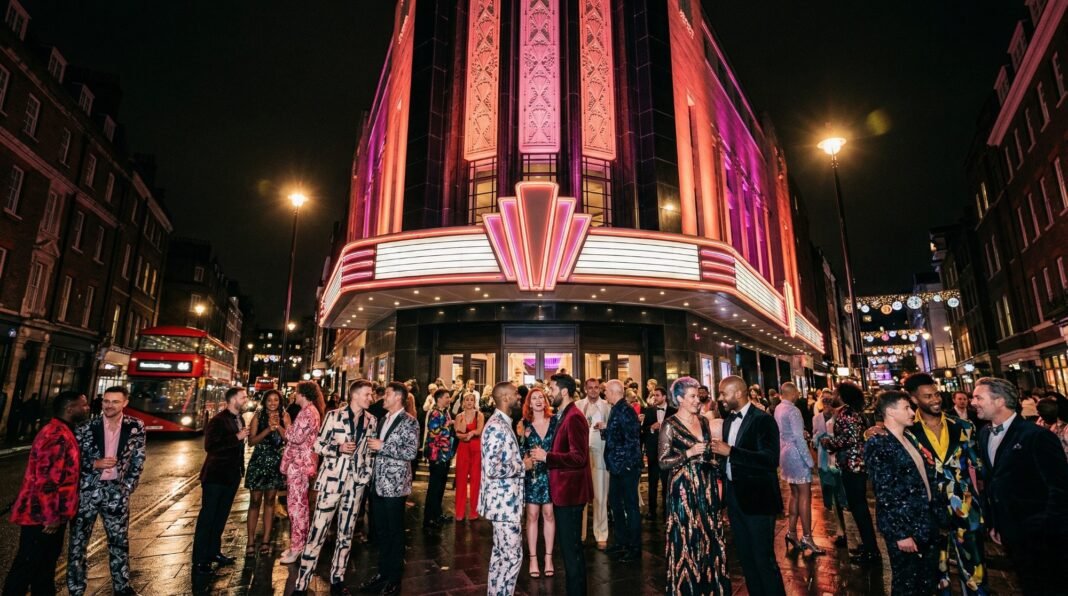
Perhaps the most quietly significant finding in the ACSM report is the brand-new entry in the top ten: adult recreation and sport clubs. Their first-ever appearance on the list signals a renewed interest in social, community-based fitness. Pickleball leagues, walking and running clubs, recreational sports, and group fitness challenges are pulling people back into shared movement — formats that feel less intimidating than traditional gym environments and more enjoyable than grinding it out alone.
For the gay community, this trend reads almost like a homecoming. Community sports leagues, group runs, and team-based recreation have long been central to queer social infrastructure. And when exercise is tied to connection, enjoyment, and routine social interaction, people stay active consistently. If solo workouts have started feeling more like obligation than pleasure, science is now officially giving you permission to make fitness social again. Find the pickleball league. Join the running crew. Show up for the people, and let the fitness follow.
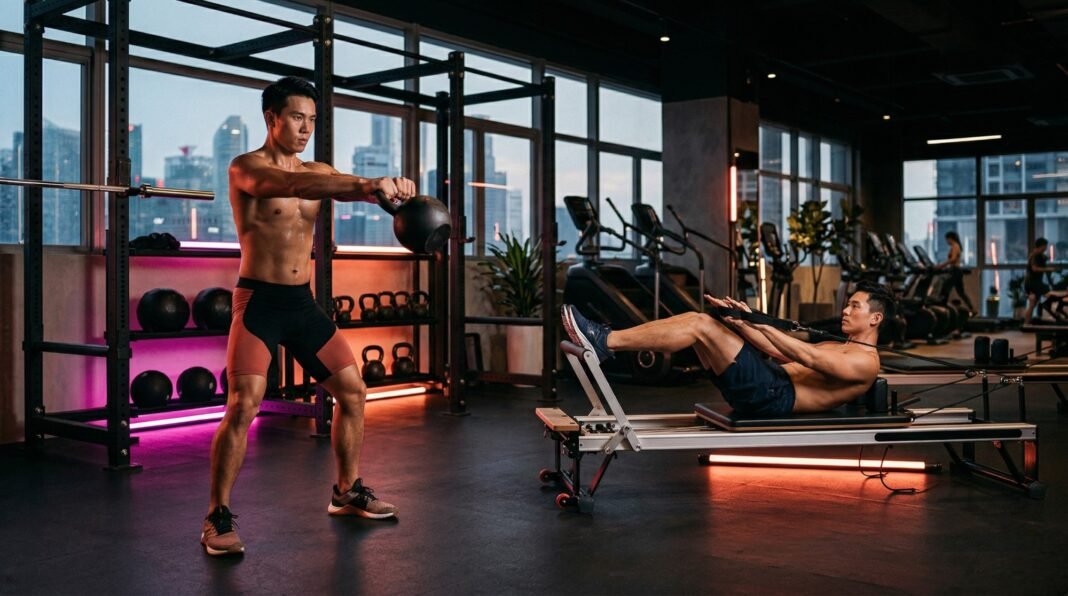
Functional fitness training — movements designed to improve strength, power, mobility, and endurance for real-world activities — also holds firm in the top ten. Its versatility makes it appropriate for youth, adults, and older populations alike. The old model of training purely for aesthetics is giving way to training for capability. What can your body actually do? That question is reshaping gym culture in ways that feel both modern and, honestly, more sustainable.
How to Make These Trends Work for You
None of this means much sitting inside a report. Here is the practical translation.
Start with your wrist. If you already wear a smartwatch, spend one week actually reading the recovery and heart rate variability data before planning your sessions. Let the device inform your intensity rather than defaulting to a predetermined plan. More than 70% of wearable users report applying their output data to guide exercise and recovery strategies — but the key word is applying. Passive tracking without behavioral change is just expensive jewelry.
Next, audit your motivation. More people are working out for their mental health than for physical aesthetics, and regular exercise reduces stress, improves mood, and builds resilience. If your gym sessions feel joyless, that is data too. Consider swapping one weekly solo session for something community-based — a group fitness class, a club sport, or a weekend hike with people you actually like.
And then there are weights. Strength training remains essential, yet many adults still skip it out of intimidation or uncertainty — even though free weights and resistance equipment strengthen bones, boost metabolism, and preserve mobility for the long haul. If the weights section has always felt like someone else’s territory, 2026 is your invitation in. Start with compound movements, get comfortable with the basics, and build from there.
Frequently Asked Questions
What are the biggest fitness trends for men in 2026?
According to the ACSM’s annual worldwide survey, the top trends include wearable technology, fitness programs for active aging, exercise for weight management, mobile fitness apps, and balance and core strength training, with functional fitness and social sport clubs also making strong showings.
Is wearable technology actually worth using for fitness?
Yes — if you act on what it tells you. Modern fitness trackers now monitor heart rate, blood glucose, blood pressure, and recovery metrics. Research shows that more than 70% of users apply their wearable data to guide training and recovery decisions. The hardware is only as useful as your willingness to listen to it.
How is exercise for weight management different from weight loss training?
The ACSM updated the category name in 2026 to reflect a broader set of goals, including weight maintenance and muscle gain, not just loss. The emphasis is on sustainable, structured exercise that preserves lean mass and supports metabolic health — particularly relevant as GLP-1 medications become more widely used.
The 2026 fitness landscape is not asking you to train more. It is asking you to train with more intention, more data, more community, and more awareness of why you are moving in the first place. Whether you are strapping on a smarter watch, finding your people on a pickleball court, or finally making peace with the weight room, the direction is clear: fitness is getting more personal, more social, and more holistic all at once. Stay across the culture with Facetheboys, where the conversation about how we live, move, and take up space never stops.